Discover the story behind Vietnamese rice — a journey shaped by fertile landscapes, generations of farming knowledge, and a growing connection between Vietnam and the global food market.
More Than a Grain: The Soul of Vietnam
In Vietnam, rice is more than a staple food. It is a symbol of home, a reflection of tradition, and an essential part of everyday life.
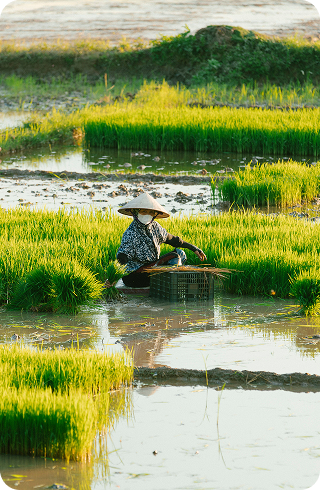
From the first light of dawn over the rice paddies to the familiar aroma of freshly cooked rice at the family table, rice has been woven into the rhythm of Vietnamese life for generations. It brings people together, connects communities, and represents the enduring relationship between the Vietnamese people and the land they cultivate.
Today, this familiar grain travels far beyond Vietnam’s borders. Vietnamese rice reaches international markets, connecting the country’s agricultural heritage with the diverse culinary traditions of people around the world.
But every grain carries a story — one that begins long before it arrives on a plate.
The Land Where Every Grain Begins
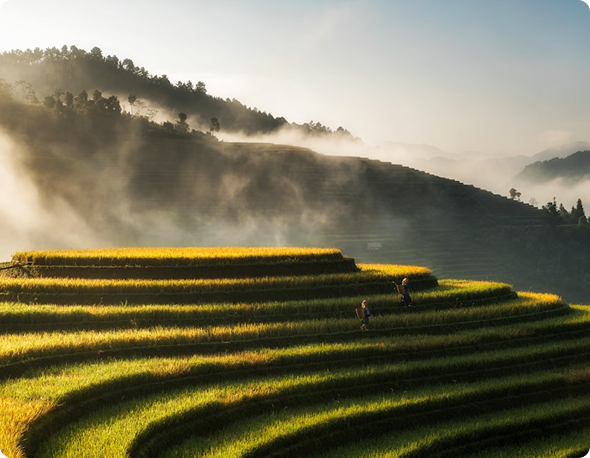
Vietnam’s diverse landscapes and agricultural traditions have helped shape its reputation as an important rice-producing country. Among its most significant agricultural regions is the Mekong Delta, a vast network of rivers, canals, and fertile agricultural land in southern Vietnam.
Here, rice cultivation is closely connected to the natural environment. Farmers work with seasonal conditions, local knowledge, and generations of experience to cultivate rice that serves both domestic consumption and international demand.
The Mekong Delta is particularly important to Vietnam’s rice production and export industry. Its extensive agricultural areas support rice cultivation on a scale that contributes significantly to the country’s position in global rice trade.
Yet the value of Vietnamese rice is not defined by geography alone. It also reflects the dedication of the people who cultivate the land, the agricultural practices they develop, and the expertise involved in bringing harvested rice to market.
Each harvest represents the beginning of a journey — one that transforms the work of the fields into a product that can be enjoyed across continents.
The People Behind Every Grain
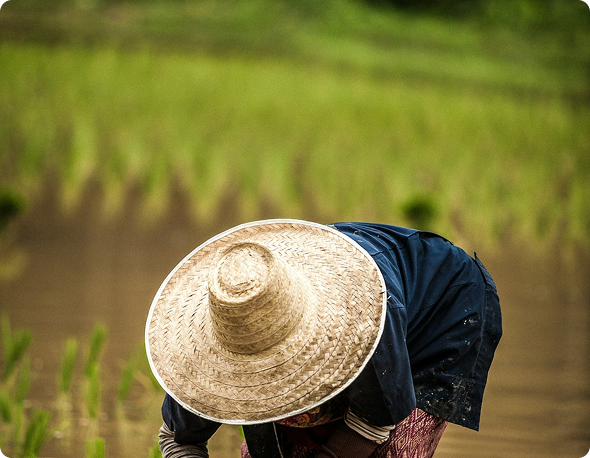
Behind every successful rice harvest are the people who make it possible.
Farmers prepare the fields, sow the seeds, monitor crop development, and carefully manage the growing season. Their experience and understanding of local conditions play an important role in the cultivation process.
After harvesting, rice moves through a series of processing and preparation stages before it becomes ready for distribution. Depending on the product and production system, these stages may include drying, milling, grading, quality inspection, and packaging.
Each step contributes to the final product. Proper handling and processing help preserve the characteristics of the rice, while quality checks help ensure that the finished product meets its intended specifications.
For rice exporters, this journey involves more than moving agricultural products from one location to another. It requires coordination among farmers, processors, quality-control teams, packaging operations, and logistics partners.
When these elements work together effectively, the result is a supply chain that connects agricultural production with the needs of customers around the world.
Discovering the Diversity of Vietnamese Rice
One of the defining features of Vietnamese rice is the variety of products available to serve different culinary preferences and commercial requirements.
Different rice varieties offer distinct characteristics in aroma, texture, grain shape, and cooking performance. Understanding these differences helps importers, distributors, and food businesses select products that suit their target markets.
Jasmine Rice: An Aromatic Choice
Vietnamese Jasmine Rice is valued for its characteristic fragrance and appealing texture when properly cooked. It is commonly used in everyday meals and can be suitable for retail distribution, food service, and other applications depending on the product specifications.
For international buyers, Jasmine Rice offers an option to consider when sourcing aromatic rice for consumers who appreciate fragrant, flavorful meals.
ST25 Rice: A Recognized Vietnamese Specialty
ST25 is a Vietnamese rice variety that has attracted international attention for its distinctive product characteristics and recognition in rice competitions.
Its story reflects the role of agricultural research and varietal development in creating rice products that stand out in competitive markets.
For importers considering premium rice offerings, ST25 may be an interesting addition to a portfolio designed for consumers seeking distinctive Vietnamese rice products.
Long Grain White Rice: A Versatile Everyday Staple
Long Grain White Rice serves a wide range of food applications and commercial needs. Depending on its specifications, it can be suitable for household consumption, restaurants, catering operations, and food distribution businesses.
For bulk buyers, important considerations include grain length, broken percentage, moisture content, and other contractual quality parameters.
Choosing the right rice is ultimately about matching product characteristics with customer expectations.
From the Rice Fields to the Global Market
The journey of Vietnamese rice does not end at the processing facility. For export markets, an additional set of requirements must be addressed before the product reaches its destination.
Export preparation may involve confirming product specifications, conducting quality checks, selecting appropriate packaging, preparing export documentation, and coordinating transportation.
For international buyers, consistency is especially important. A product that meets the agreed specifications, arrives with the required documentation, and is delivered according to the agreed schedule can help support reliable business operations.
This is why selecting a Vietnamese rice supplier involves more than comparing prices.
Importers may also need to evaluate a supplier’s product range, quality-control procedures, packaging capabilities, communication, and ability to meet the requirements of the destination market.
At the same time, rice exporters must understand that different markets can have different expectations regarding product specifications, labeling, food safety, and import procedures.
A successful export partnership begins with clear communication and a shared understanding of these requirements.
When agricultural expertise meets effective processing and international trade, Vietnamese rice can connect producers with businesses and consumers across the world.
Vietnamese Rice: A Tradition Moving Toward the Future
While rice remains deeply rooted in Vietnamese culture, the industry continues to face new opportunities and challenges.
International buyers increasingly need suppliers who can respond to changing market preferences, maintain product consistency, and provide clear information about sourcing and production.
At the same time, sustainability, resource management, traceability, and climate resilience are important subjects for the future of rice production. These issues are particularly relevant to agricultural regions that must adapt to changing environmental conditions.
Progress depends on cooperation across the supply chain — from farmers and agricultural researchers to processors, exporters, and international partners.
By combining traditional farming knowledge with appropriate technology, effective quality management, and responsible agricultural practices, the Vietnamese rice industry can continue working toward a more resilient and competitive future.
The story of Vietnamese rice is therefore not only a story about the past. It is also a story about how an agricultural tradition can continue to evolve in response to a changing world.
Building Connections Through Vietnamese Rice
Every international shipment represents a connection between the people who produce rice and the businesses that bring it to consumers.
For importers, wholesalers, distributors, and food businesses, working with a Vietnamese rice exporter can provide an opportunity to explore products that suit their markets and commercial objectives.
Finding the right supplier begins with understanding what matters most: product specifications, quality expectations, packaging requirements, order quantities, delivery arrangements, and long-term business goals.
At [Company Name], we believe that meaningful partnerships begin with understanding our customers’ needs and communicating clearly at every stage of the sourcing process.
Whether you are exploring Vietnamese Jasmine Rice, ST25 Rice, Long Grain White Rice, or other rice products, our team welcomes the opportunity to discuss your requirements and explore suitable sourcing solutions.
From Vietnam’s rice fields to tables around the world, every grain is part of a greater story — one of agriculture, dedication, and connection.
Looking for a Vietnamese Rice Supplier?
Contact [Company Name] to discuss your rice sourcing requirements, request product specifications, or explore export opportunities with our team.
Let’s bring the story of Vietnamese rice to more markets around the world.